Caliber Technologies

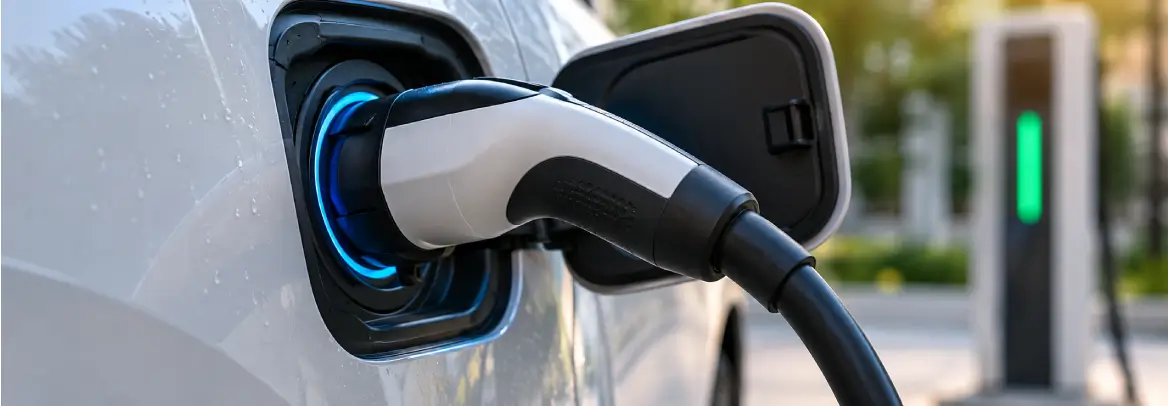
How Repeated Plug-In Cycles Affect EV Charging Connector Durability

1. Introduction EV charging connectors experience repeated mechanical engagement and disengagement throughout their service life. Every plug-in cycle introduces insertion and withdrawal forces, contact friction, and mechanical loading across the connector housing, pins, terminals, and locking mechanism. Over time, repeated use can cause contact wear, loss of retention force, deformation,…
Read More

How Much Does FEA Analysis Cost?

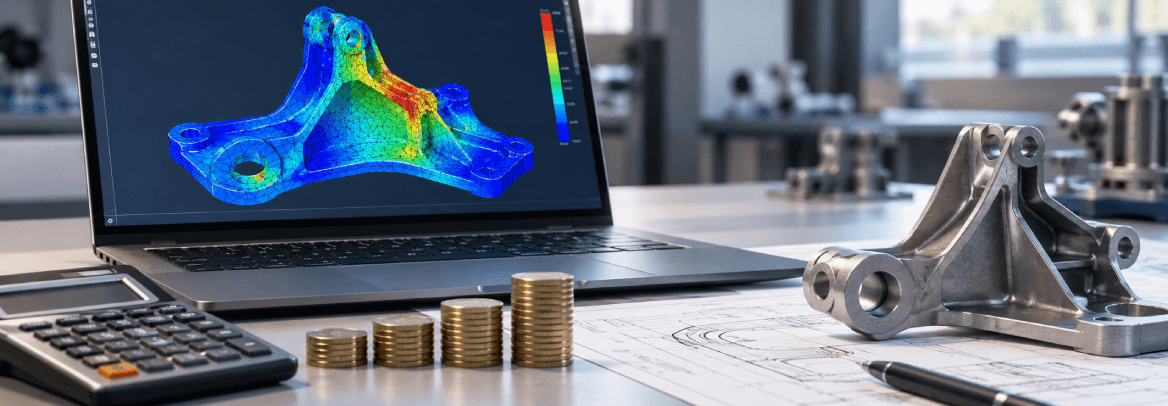
Finite Element Analysis (FEA) helps engineering teams evaluate stress, deformation, stiffness, vibration, and other performance factors before committing to physical prototypes or production changes. But the cost of an FEA project can vary considerably depending on the component, simulation requirements, and level of engineering support needed. A simple static structural…
Read More

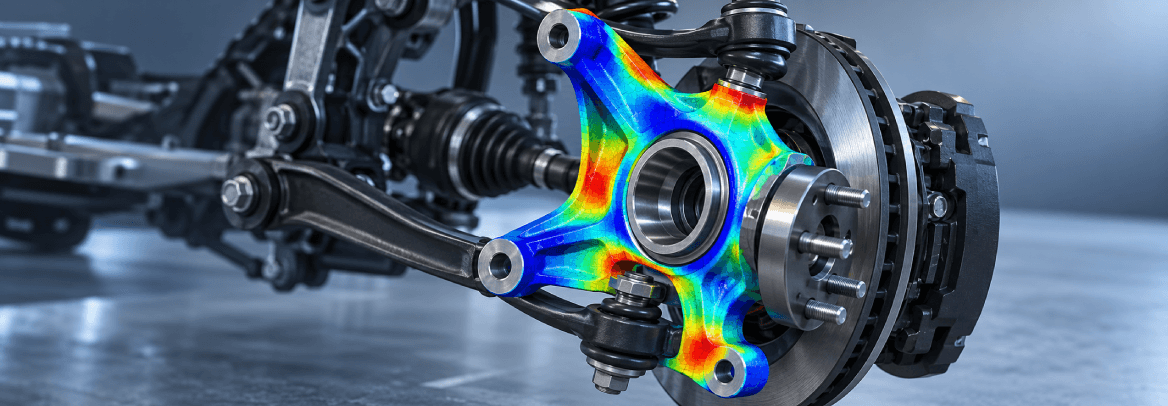
Steering Knuckle FEA: Stress and Fatigue Analysis Under Combined Loads

Why Steering Knuckle Structural Analysis Matters A steering knuckle connects key front-wheel components, including the wheel hub, suspension links, and steering system. It transfers forces between the tire and suspension while supporting steering movement and wheel alignment. During vehicle operation, the component experiences loads from braking, cornering, road impacts, and…
Read More

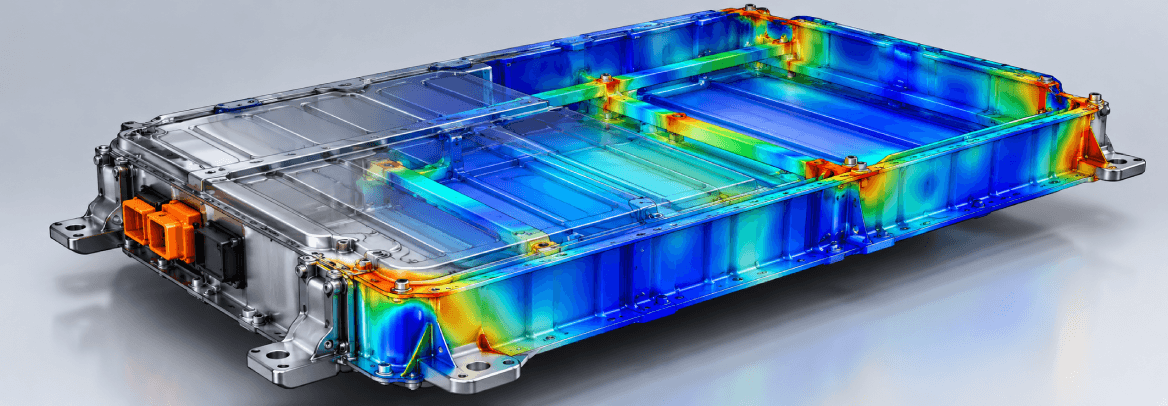
EV Battery Enclosure FEA: Structural Strength, Stiffness and Durability

Why EV Battery Enclosure Structural Analysis Matters An electric vehicle battery enclosure does more than house battery modules. It provides structural support, protects internal components, and transfers loads through its mounting points into the vehicle structure. During operation, the enclosure may experience road-induced vibration, vertical acceleration, braking forces, cornering loads,…
Read More

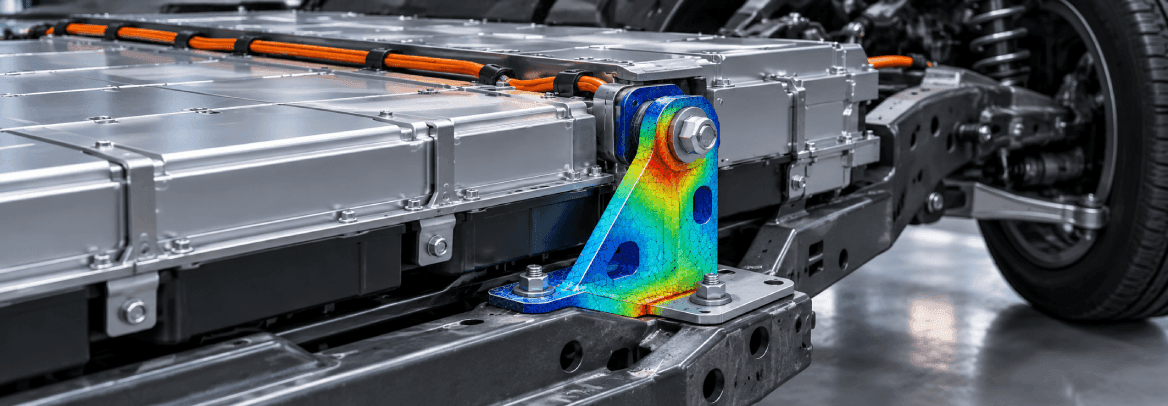
Battery Pack Mounting Bracket Analysis: Stress, Strength and Fatigue

Why Battery Pack Mounting Bracket Analysis Matters Battery pack mounting brackets connect the battery assembly to the vehicle structure. Although they may appear to be small components, they must transfer loads from a heavy battery pack while maintaining secure attachment under different driving conditions. Braking, cornering, road vibration, and vertical…
Read More

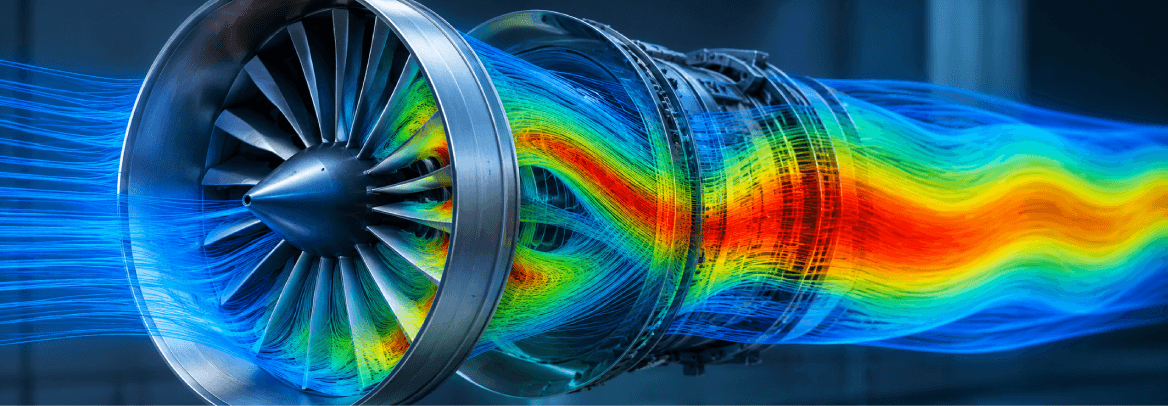
How Much Does CFD Simulation Cost?

Computational Fluid Dynamics (CFD) helps engineers study airflow, fluid movement, pressure distribution, heat transfer, and turbulence before committing to physical prototypes or design changes. The cost of CFD simulation depends on what needs to be modelled. A basic airflow study around a simple component requires a different level of effort…
Read More

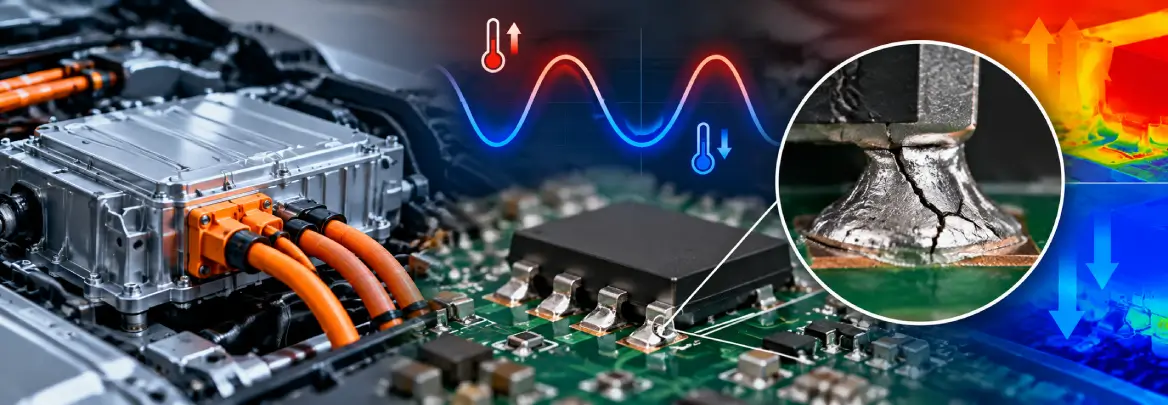
How Thermal Cycling Affects EV Power Electronics Solder Joint Reliability

Why Thermal Cycling Causes Reliability Problems in EV Power Electronics EV power electronics experience repeated temperature changes during normal vehicle operation. Power-up, high-load driving, regenerative braking and shutdown create thermal cycles that cause components and circuit boards to expand and contract. Solder joints connect electronic components to printed circuit boards…
Read More

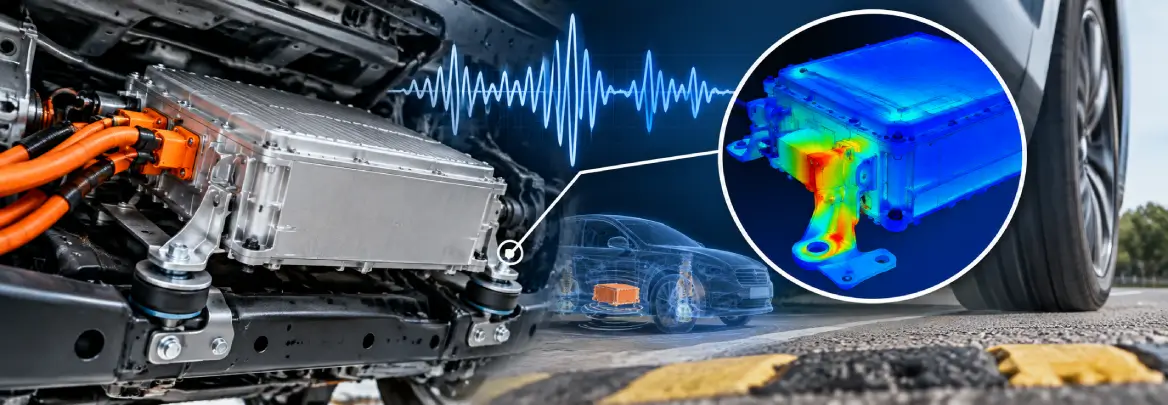
How to Assess EV Onboard Charger Enclosure Durability Under Road Vibration Loads

Why Onboard Charger Enclosures Face Structural Challenges An electric vehicle onboard charger (OBC) converts incoming AC power into DC power for battery charging. Its enclosure must protect internal electronics while supporting mounting loads and withstanding vibration transmitted through the vehicle structure. The challenge is particularly important in compact EV platforms,…
Read More

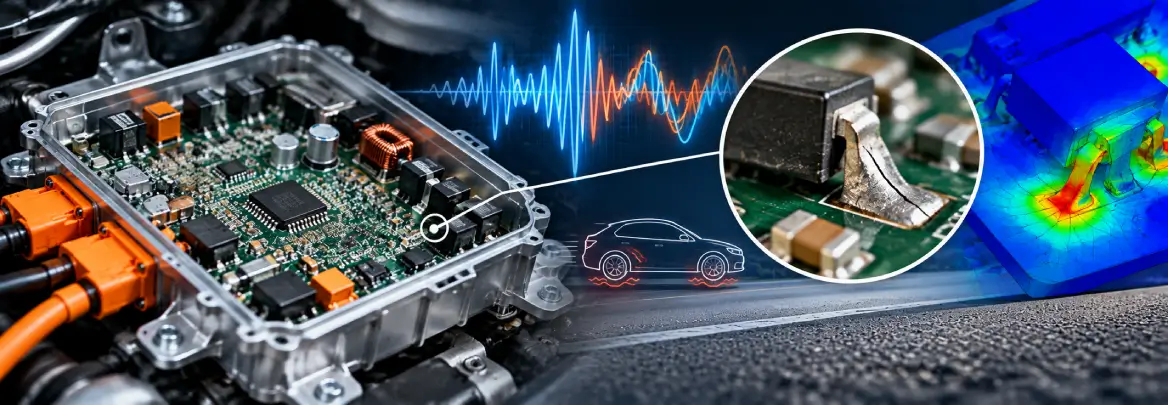
How Vibration Causes Fatigue Failure in EV Power Electronics Circuit Boards

Why Vibration Is a Reliability Challenge for EV Power Electronics Electric vehicles expose electronic assemblies to mechanical loads generated by road inputs, vehicle structures, powertrain operation and component mounting. These loads can reach inverter control boards, onboard charger electronics and other power electronics assemblies. Although a circuit board may pass…
Read More