Caliber Technologies

What Is a Crankshaft? Parts, Functions and Working

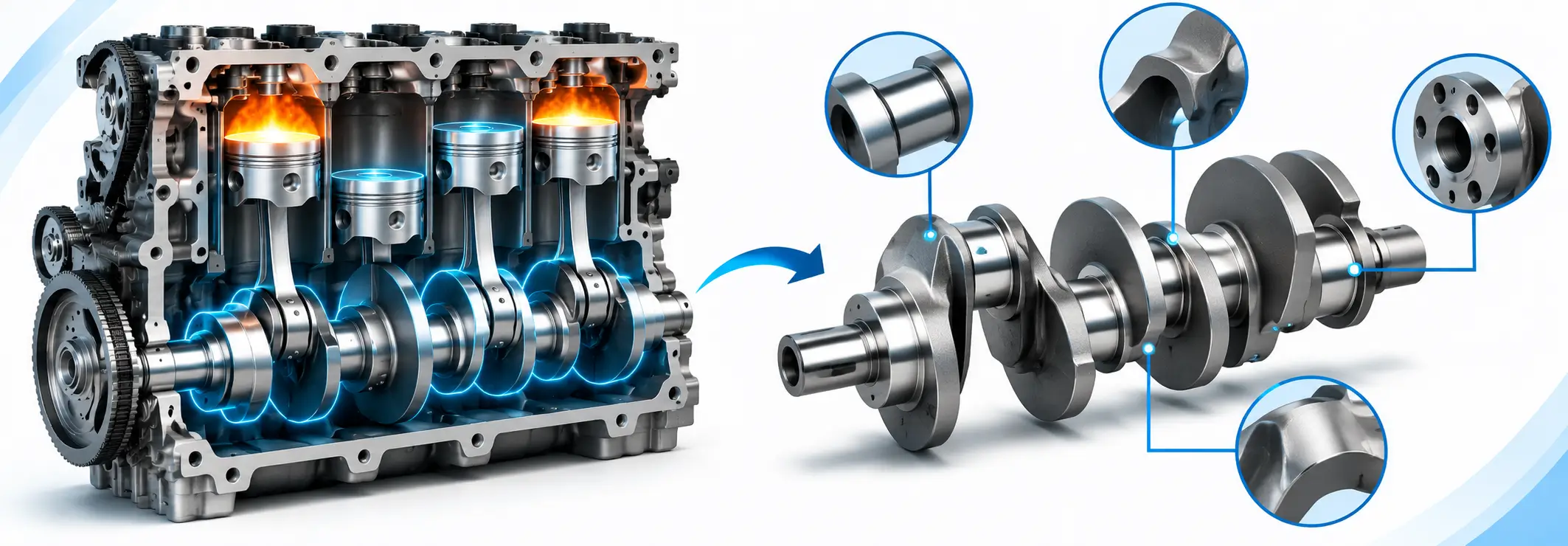
A crankshaft is one of the most important components of an internal combustion engine. It converts the up-and-down movement of the pistons into rotational motion, which is then used to drive the vehicle. The crankshaft works alongside pistons, connecting rods and other engine components to maintain continuous engine operation. Its…
Read More

What Are the Different Types of Engine Configurations?

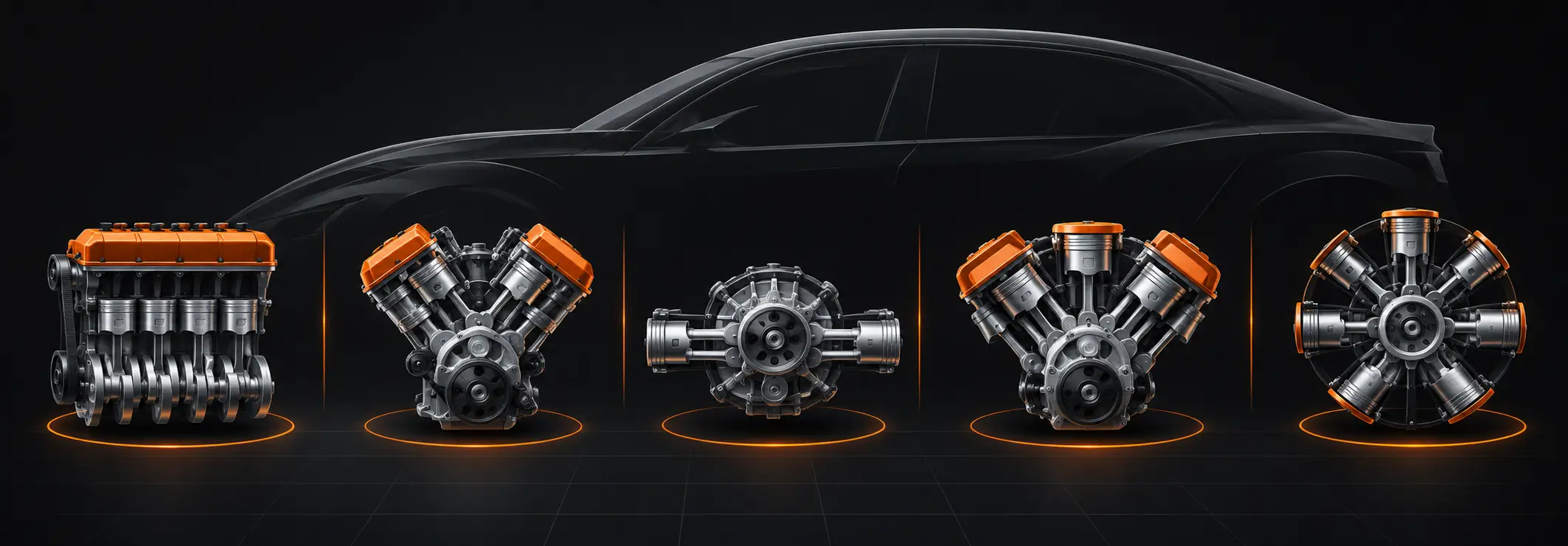
Engine configuration refers to the arrangement of cylinders within an engine. It describes how cylinders are positioned in relation to each other and the crankshaft. Different engine configurations are used in cars, motorcycles, trucks and other vehicles depending on available space, power requirements, weight distribution and manufacturing considerations. The choice…
Read More

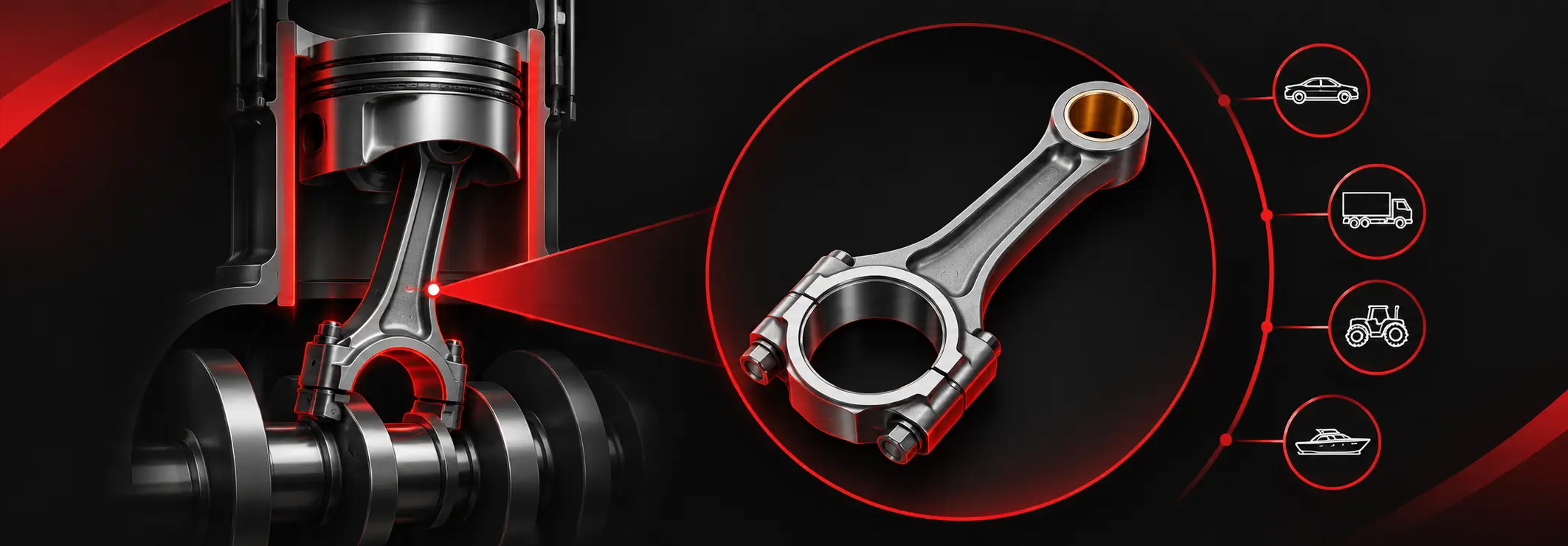
What Is a Connecting Rod? Design, Function and Applications

A connecting rod is an important component of an internal combustion engine. It connects the piston to the crankshaft and transfers the force generated during combustion to the crankshaft. As the piston moves up and down inside the cylinder, the connecting rod transfers this motion to the crankshaft, helping convert…
Read More

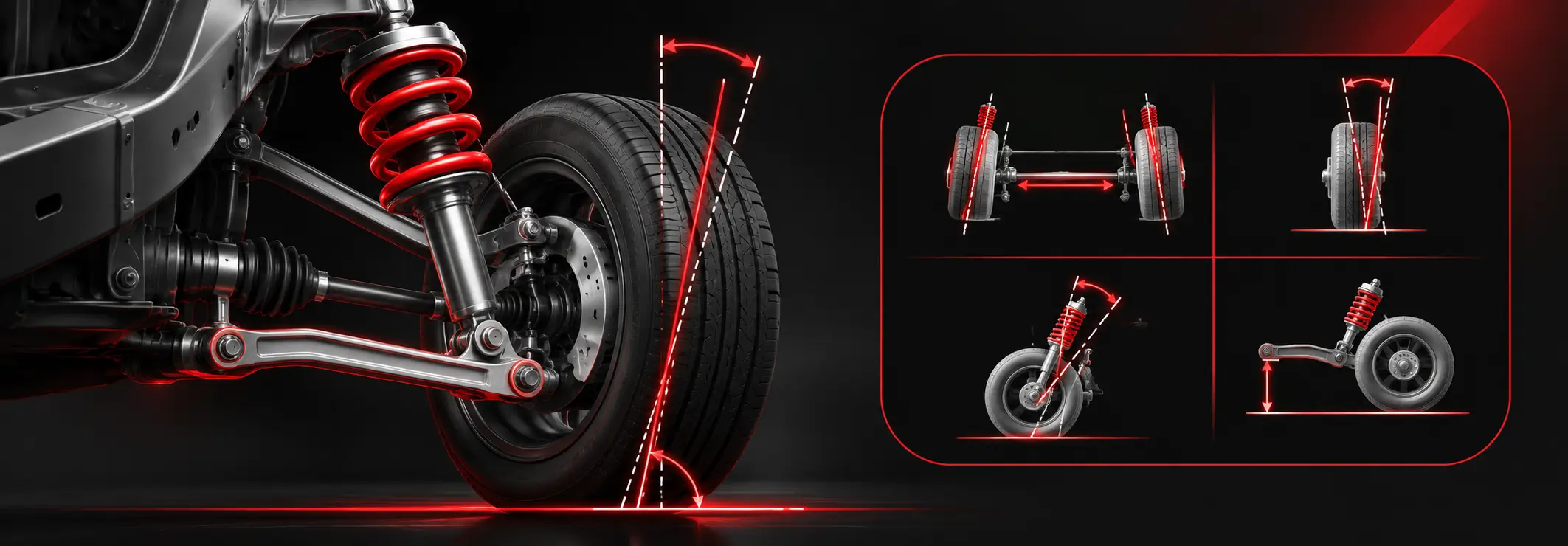
What Is Suspension Geometry? Types and Key Parameters

Suspension geometry refers to the arrangement and movement of suspension components that connect a vehicle’s wheels to its chassis. It determines how the wheels move when the suspension compresses, extends or responds to steering inputs. The geometry of a suspension system directly affects vehicle handling, stability, tyre contact with the…
Read More

What Is Wheelbase? How It Affects Vehicle Stability and Handling

Wheelbase is the distance between the centres of the front and rear wheels of a vehicle. It is an important vehicle dimension that influences stability, handling, ride comfort and interior packaging. Different vehicles have different wheelbase measurements depending on their design and intended use. Passenger cars, SUVs, trucks and buses…
Read More

What Are Static and Dynamic Loads? Differences and Applications

Loads are forces or moments acting on a component, structure or mechanical assembly. They influence how a component behaves during operation and are important considerations in engineering design. In mechanical and automotive engineering, loads are generally classified as static or dynamic based on how they change over time. Static loads…
Read More

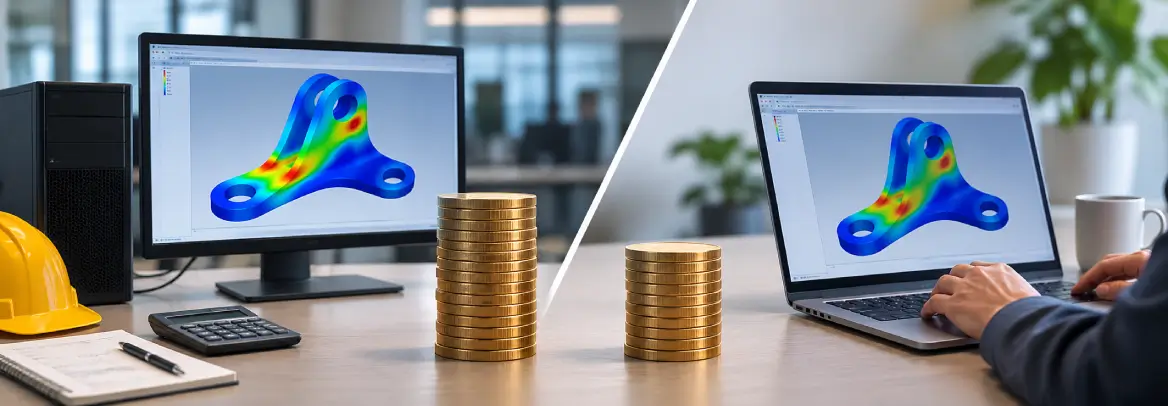
In-House vs. Outsourced FEA: Cost Comparison

Introduction Finite Element Analysis (FEA) helps engineering teams evaluate structural strength, stiffness, deformation, fatigue, and product performance before physical testing. But there is another decision companies need to make: should they build an in-house FEA team or outsource simulation work to an engineering service provider? Both options have costs beyond…
Read More

How Much Does Thermal Simulation Cost?

1. Introduction Thermal simulation helps engineering teams predict temperature distribution, heat transfer, and cooling performance before physical prototyping. It is widely used in automotive systems, EV components, electric motors, HVAC equipment, industrial machinery, and electronic enclosures. The cost depends on the type of analysis, geometry complexity, operating conditions, and engineering…
Read More

How to Validate Robotic Gripper Strength for Different Payloads

1. Introduction A robotic gripper must hold and manipulate objects of different weights without slipping, excessive deformation, or structural failure. As payload increases, gripping forces and stresses develop across the fingers, joints, mounting interfaces, and actuator connections. Validating gripper strength is important when designing robotic systems for manufacturing, material handling,…
Read More

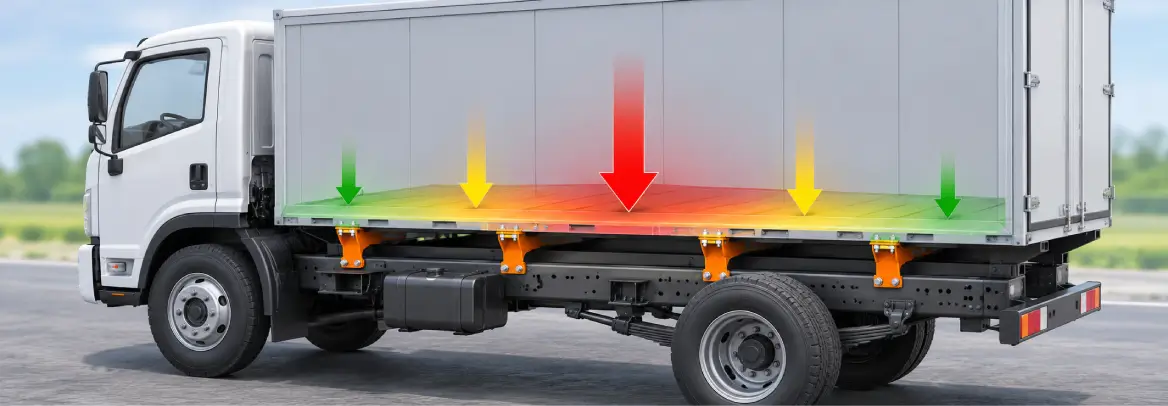
How Truck Body Mounting Design Affects Load Distribution

1. Introduction Truck body mounting systems transfer loads from the body structure to the vehicle chassis. Whether the vehicle carries a cargo body, tipper body, tanker, or specialised equipment, the mounting arrangement directly influences how forces are distributed across the chassis frame. An incorrectly designed mounting system can create uneven…
Read More