RV

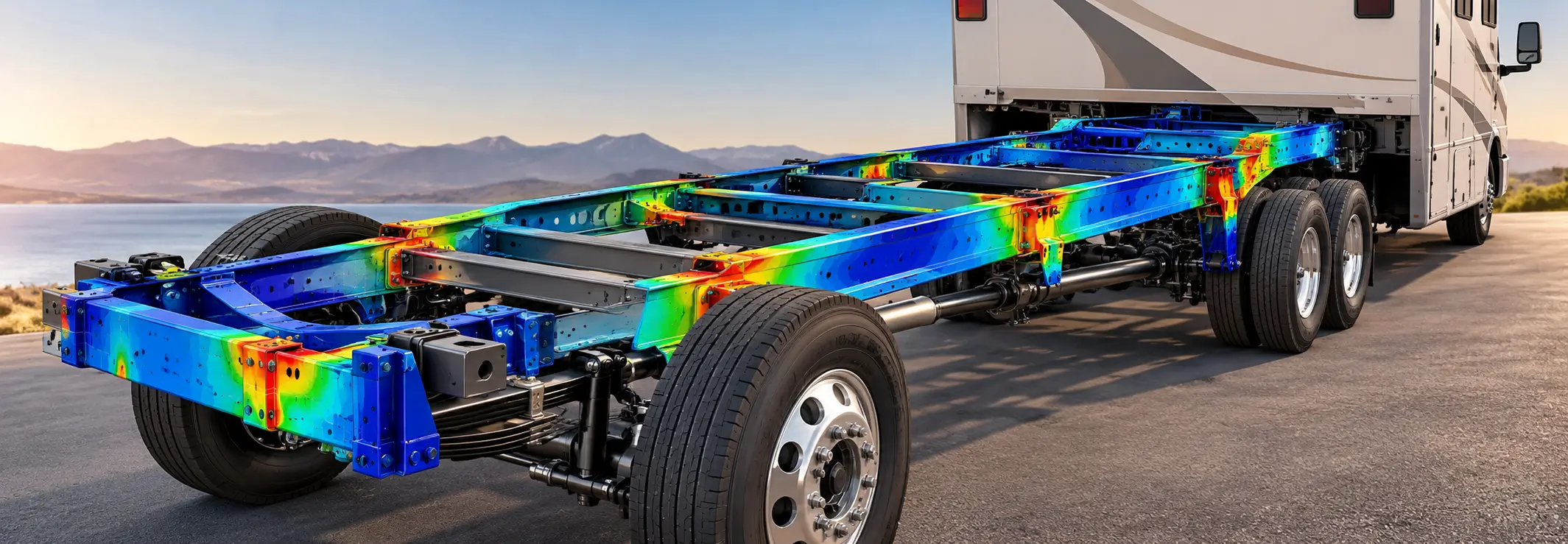
FEA Validation of Modified RV Chassis and Frame Structures

Why Modified RV Chassis Require Structural Validation Modifying an RV chassis can affect more than the component being changed. Extending a frame, relocating a crossmember, adding equipment mounts, changing a body attachment, or adapting a commercial vehicle chassis for an RV can alter how loads travel through the structure. A…
Read More

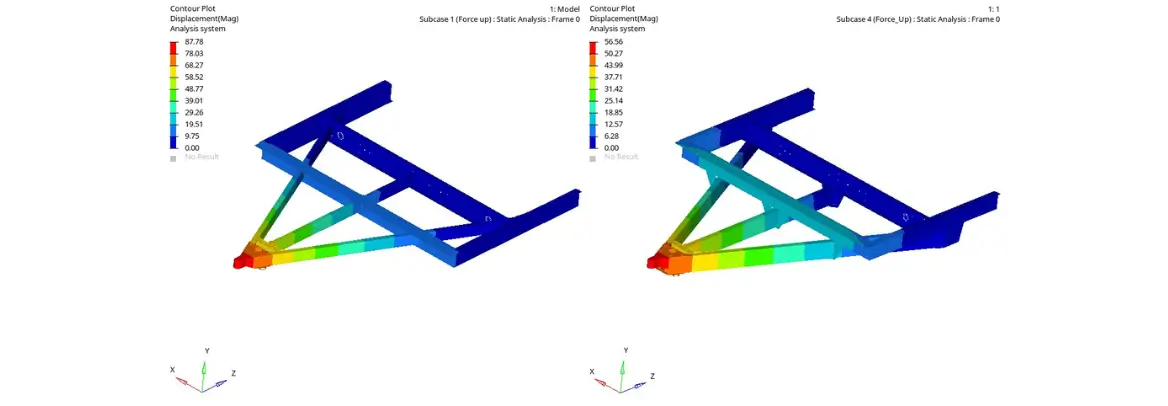
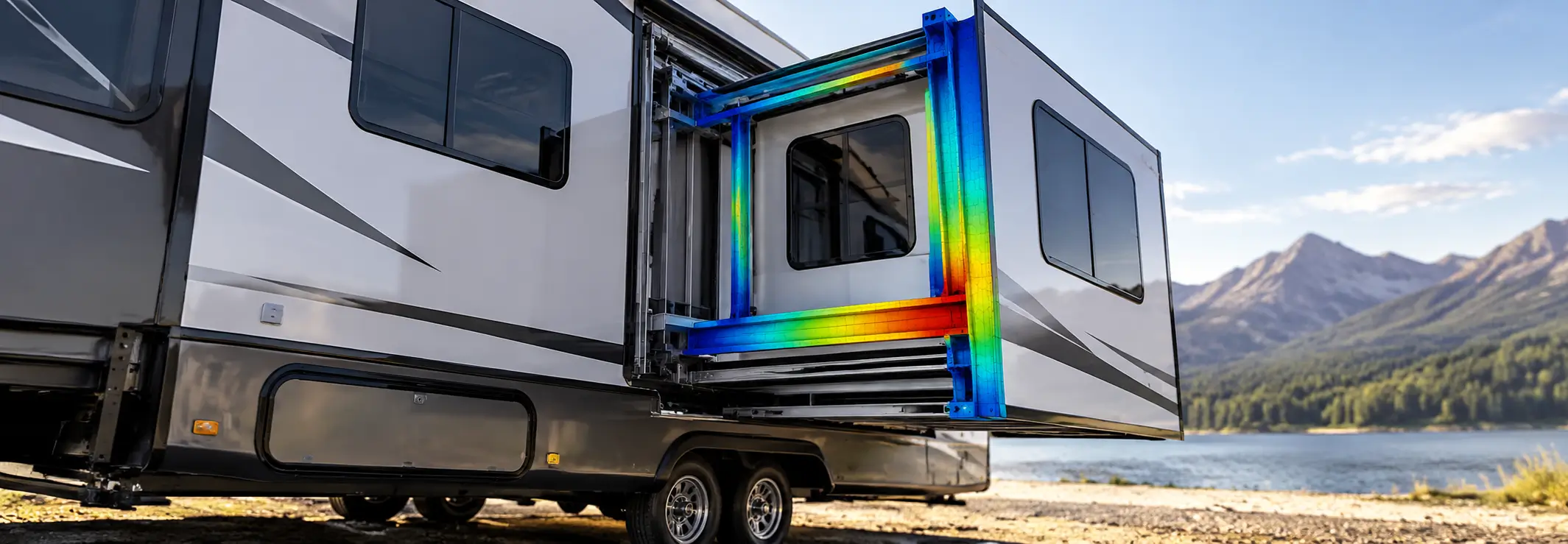
Structural Deflection Analysis of RV Slide-Out Assemblies

Why RV Slide-Out Assemblies Develop Alignment Problems RV slide-outs extend the usable interior space of a recreational vehicle, but their operation depends on the structural stability of the slide-out room, supporting floor, opening, and extension mechanism. When these structures deflect under load, the slide-out may no longer remain properly aligned…
Read More

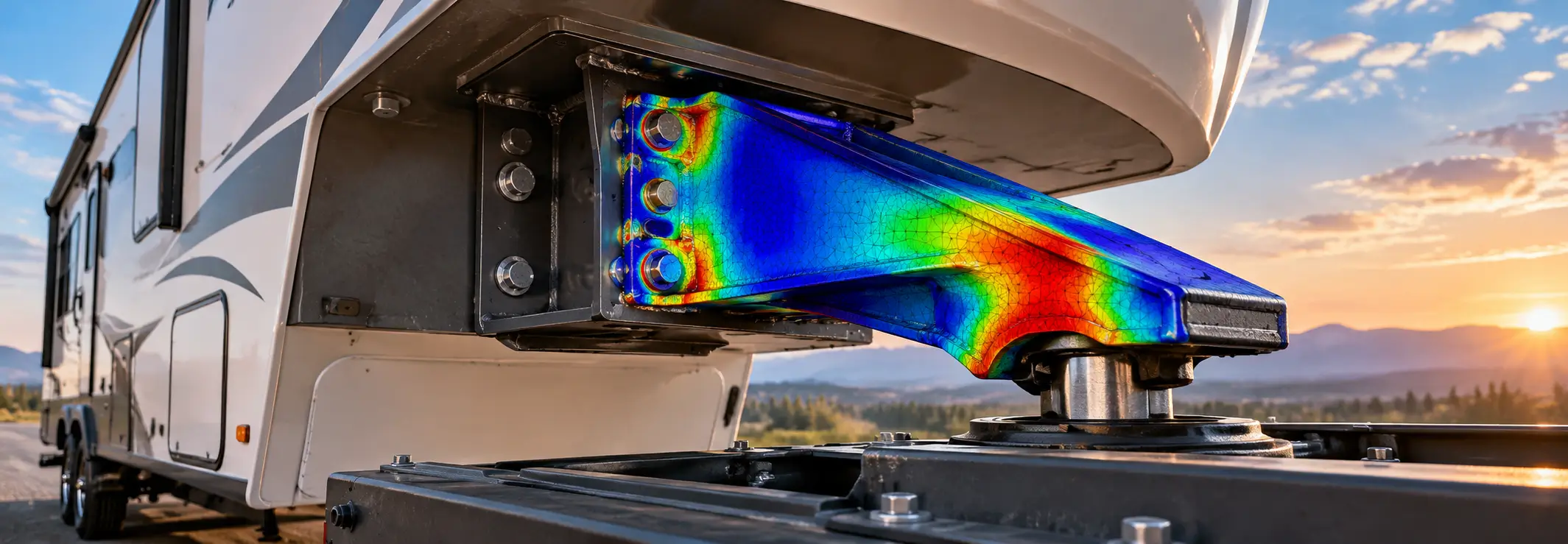
Fatigue Analysis of Fifth-Wheel Pin Box and Mounting Structures

Why Fifth-Wheel Pin Boxes Need Fatigue Analysis A fifth-wheel pin box transfers towing forces from the tow vehicle to the trailer’s front structure. During operation, it experiences repeated vertical, longitudinal, and lateral loads as the trailer travels over uneven roads, accelerates, brakes, and corners. These forces pass through the pin…
Read More

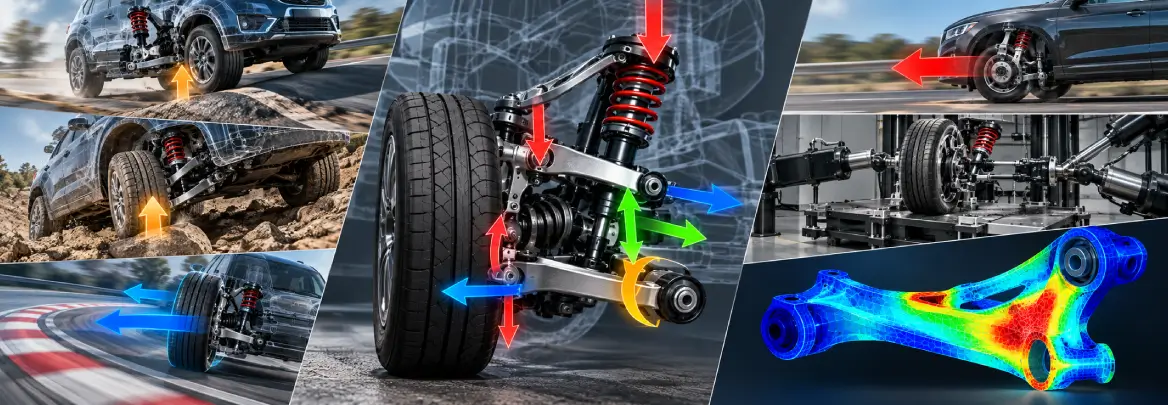
Engineering the Structural Backbone of an RV: A Technical Deep Dive into A-Frame, Suspension, and Rear Hitch Design — With Caliber Technologies’ Advanced Simulation Expertise

Designing the structural architecture of a towable RV is an exceptionally complex engineering undertaking—far more sophisticated than the traditional “rule-of-thumb” approaches historically used across the industry. Many manufacturers have historically relied on legacy frame geometries that merely survive the warranty period rather than performing reliably across the full lifecycle. At…
Read More

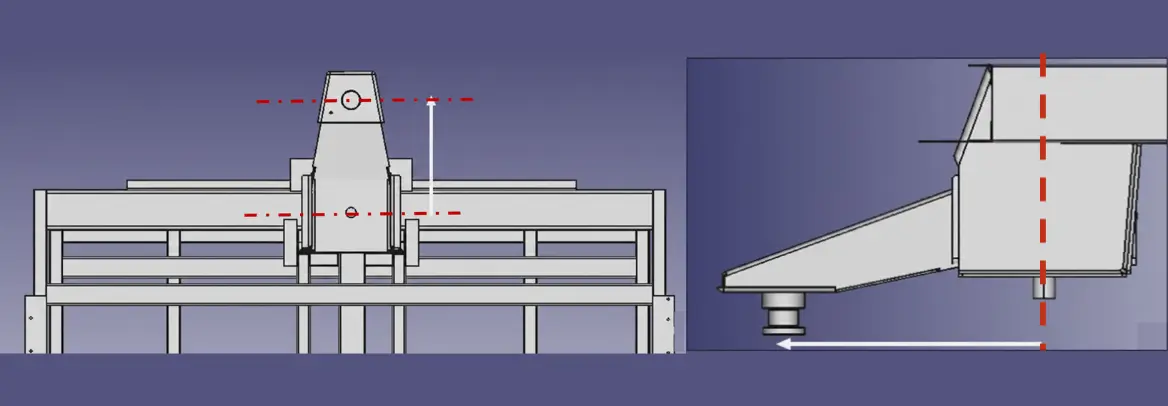
Aftermarket Fifth-Wheel Hitch Replacement: An Overlooked Structural Risk in Trailer and RV Platforms

In both the RV and trucking industries, it is common practice to replace OEM-installed fifth-wheel hitches with aftermarket alternatives. These changes are typically driven by payload requirements, coupling preferences, wear replacement, availability, or compatibility with different tractor configurations. While aftermarket fifth-wheel manufacturers rigorously design their products to meet applicable standards…
Read More

Enhancing RV Comfort through Thermal CFD Simulation: Caliber Technologies’ Expertise in Predicting and Optimizing HVAC Performance

Introduction and Background Modern recreational vehicle (RV) customers expect more than just mobility—they expect automotive-grade comfort and climate control. Whether camping in Arizona’s summer heat or parked on a coastal highway, the interior of an RV must remain cool, comfortable, and energy-efficient under a wide range of environmental conditions. Maintaining…
Read More

Optimizing Aerodynamic Performance for RVs: Caliber Technologies’ CFD-Based Approach to Vehicle Efficiency

Introduction: The Untapped Opportunity in RV Aerodynamics The recreational vehicle (RV) industry has long prioritized comfort, space utilization, and manufacturing efficiency—but aerodynamic optimization has remained largely overlooked. As a result, even modern towable RVs continue to exhibit high aerodynamic drag, leading to poor fuel economy, reduced range, and suboptimal towing…
Read More